
The Campeche Chair: Fit for a President
A courthouse chair with Jeffersonian echoes—and more questions than answers.
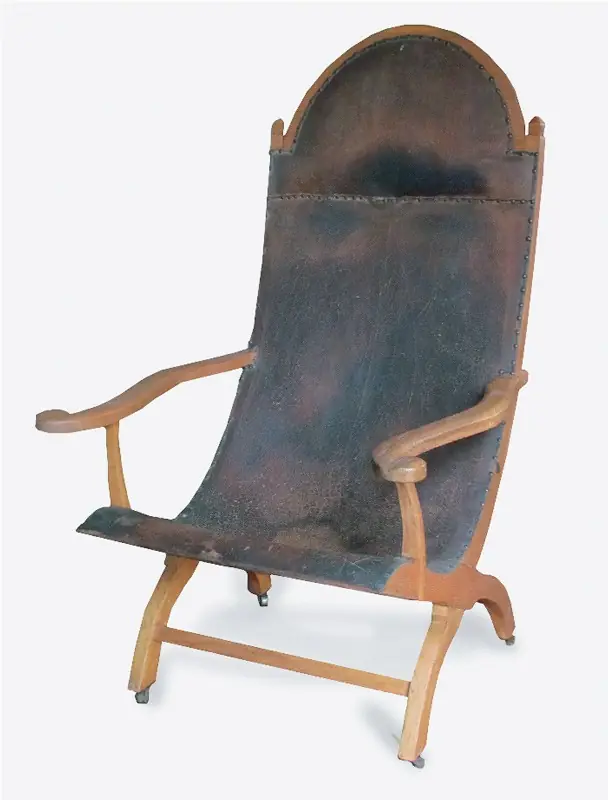
Discovered at the Mathews County Courthouse in 1975, and returning from a long-term loan to the Thomas Jefferson Foundation, this leather-upholstered Campeachy chair invites more questions than answers. Its heavy arms, distinctive garnet finials, and saddler-style tooled leather back differ slightly from chairs made by John Hemings—but feel unmistakably connected.
Crafted of oak and upholstered in cowhide with bold brass upholstery nails, this chair has long resided in the Matthews County Courthouse. It shares many design traits with Campeachy chairs linked to Thomas Jefferson’s joiner, John Hemings—but it also displays key differences that raise more questions than answers.
Did Hemings train the maker of this chair? Was it crafted by one of his nephews, Madison or Eston Hemings? Or is it the work of another artisan deeply influenced by Jeffersonian design? Though Campeachy chairs were popular in the early 19th century, few bore the additional features seen here—such as the curved armrest extension, distinctive stamped leather, and padded top rail.
This exhibit invites you to explore not just an object, but a mystery: part material history, part biography, and part cultural archaeology. Could this be a missing link between Monticello craftsmanship and courthouse commissions? Its Jeffersonian echoes remain—but its story remains just out of reach.
Look closely and you’ll notice the chair doesn’t just “sit” in a room—it signals authority. Campeche chairs were built for long conversations and long meetings: wide enough to settle into, angled enough to lean back, and bold enough to be noticed. In a courthouse setting, a chair like this becomes part of the choreography of civic life—who sat, who waited, who listened. Whether this piece came directly from the Monticello tradition or from a craftsman inspired by it, it carries the same message: design is never neutral. Furniture can tell us who held power, how public spaces were arranged, and how craftsmanship traveled—quietly—between plantations, workshops, and county seats.
Explore More
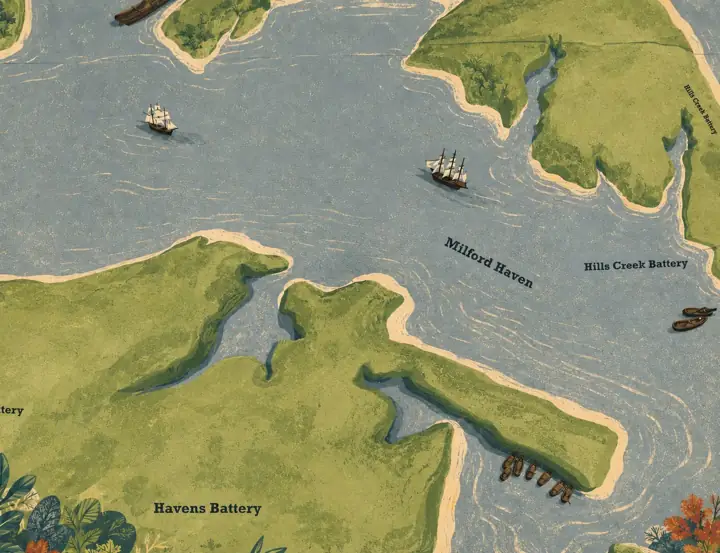
Step into 1776: The Battle of Cricket Hill Diorama
Experience Lord Dunmore’s last stand in Virginia through a detailed scale model of Gwynn’s Island, Fort Cricket Hill, and the waters of Hills Bay.
View exhibit →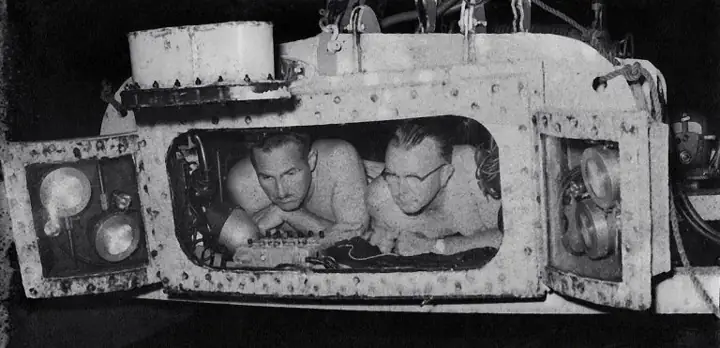
100 Hours Beneath the Chesapeake
Before ROVs or scuba, there was Gilbert Klingel—a man who welded curiosity into steel and gave the Chesapeake a voice.
View exhibit →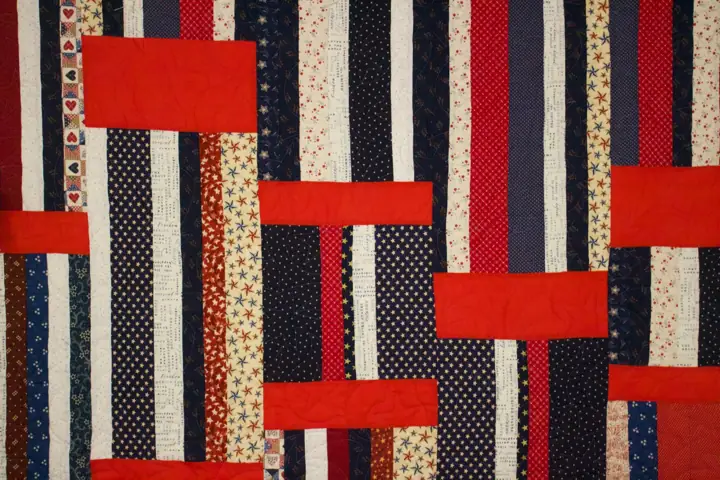
Bay Quilters Guild Annual Quilt Show
Hosted by the Mathews Museum & Bay Quilters Guild
View exhibit →