100 Hours Beneath the Chesapeake
Before ROVs or scuba, there was Gilbert Klingel—a man who welded curiosity into steel and gave the Chesapeake a voice.
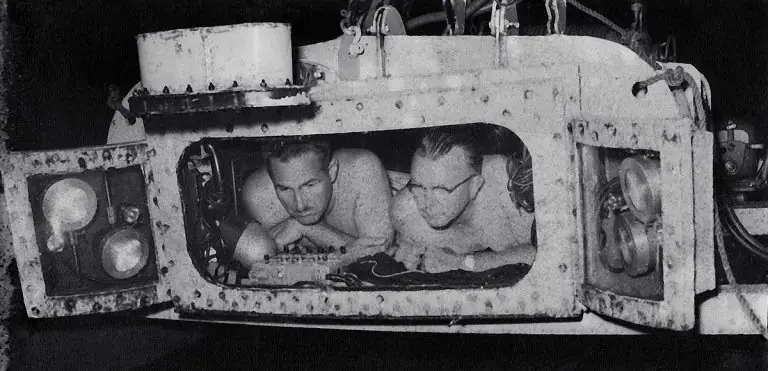
In an era before scuba diving was common, Gilbert Klingel peered into the depths of the Chesapeake Bay from within a hand-built steel submersible. What he saw—and recorded—helped awaken public fascination with marine life in one of America’s richest estuaries. This exhibit brings his story to the surface.
The Aquascope is a steel observation chamber designed to submerge researchers into the aquatic world without needing to dive. With heavy glass portholes, ballast tanks, interior lighting, and space for two observers to lie prone, the Aquascope allowed naturalist Gilbert Klingel to explore the Chesapeake Bay from within its depths—long before scuba gear was widely available.
Klingel’s idea for the Aquascope evolved from an earlier invention he co-created in 1935: the Bentharium, a converted steel boiler lowered into the bay by winch. That rudimentary underwater capsule gave him his first breathtaking views of life below the surface—and sparked a lifelong passion for observing marine life firsthand.
But how did he know how to do any of this? Klingel was a rare combination of self-taught scientist, author, inventor, and skilled tradesman. He trained as a machinist and metalworker, and eventually built his own boats and instruments in a private workshop on Gwynn’s Island. His wide-ranging abilities—biology, engineering, writing, photography—allowed him to create tools that didn’t yet exist to study the natural world.
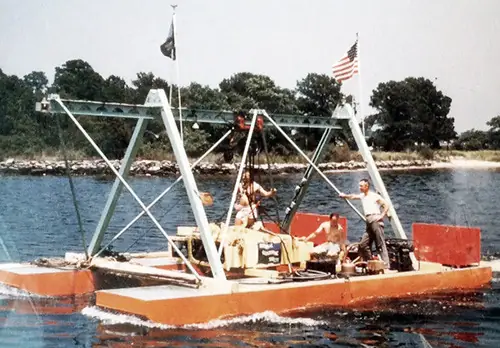
By the early 1950s, with funding from National Geographic, Klingel began construction on the Aquascope: a submersible that was stronger, more stable, and more capable than the Bentharium. In 1953, he and photographer Willard Culver conducted a series of dives from a custom-built barge in Milford Haven. The resulting color photos and discoveries were published in the 1955 article, “One Hundred Hours Beneath the Chesapeake.”
Explore More
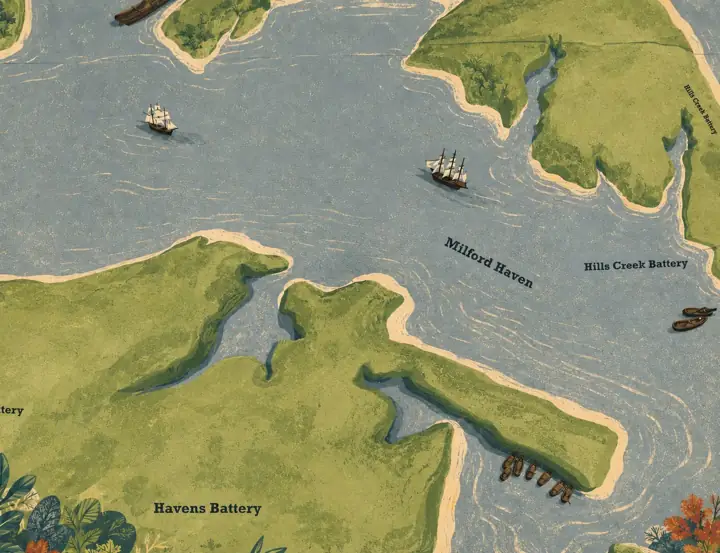
Step into 1776: The Battle of Cricket Hill Diorama
Experience Lord Dunmore’s last stand in Virginia through a detailed scale model of Gwynn’s Island, Fort Cricket Hill, and the waters of Hills Bay.
View exhibit →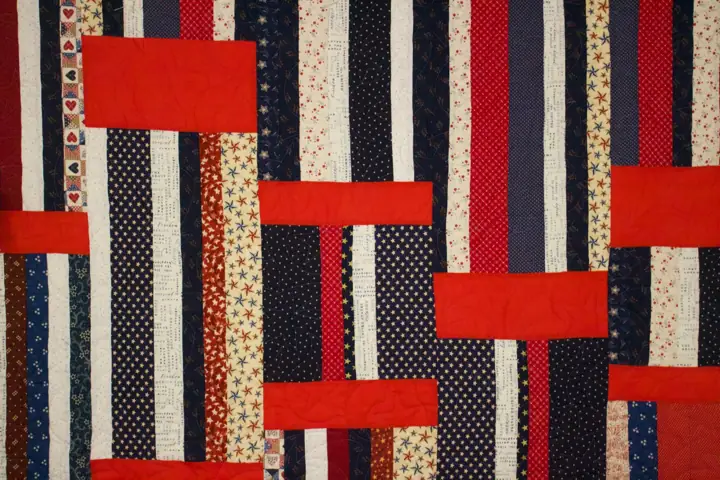
Bay Quilters Guild Annual Quilt Show
Hosted by the Mathews Museum & Bay Quilters Guild
View exhibit →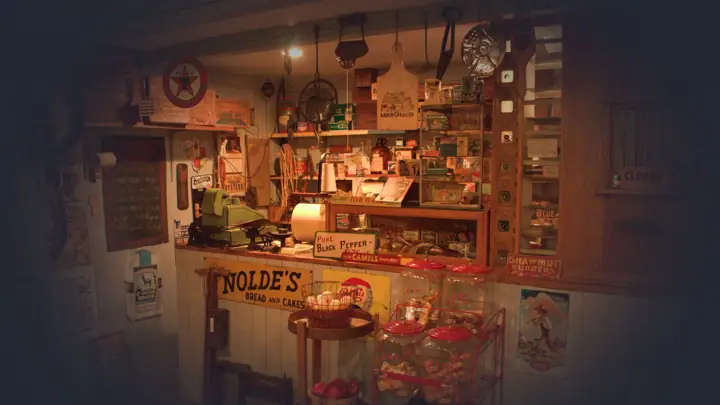
Tom Hunley General Store
Step into a recreated country store—every jar, scale, and sign is original, sparking memories of community life in rural Mathews County.
View exhibit →